
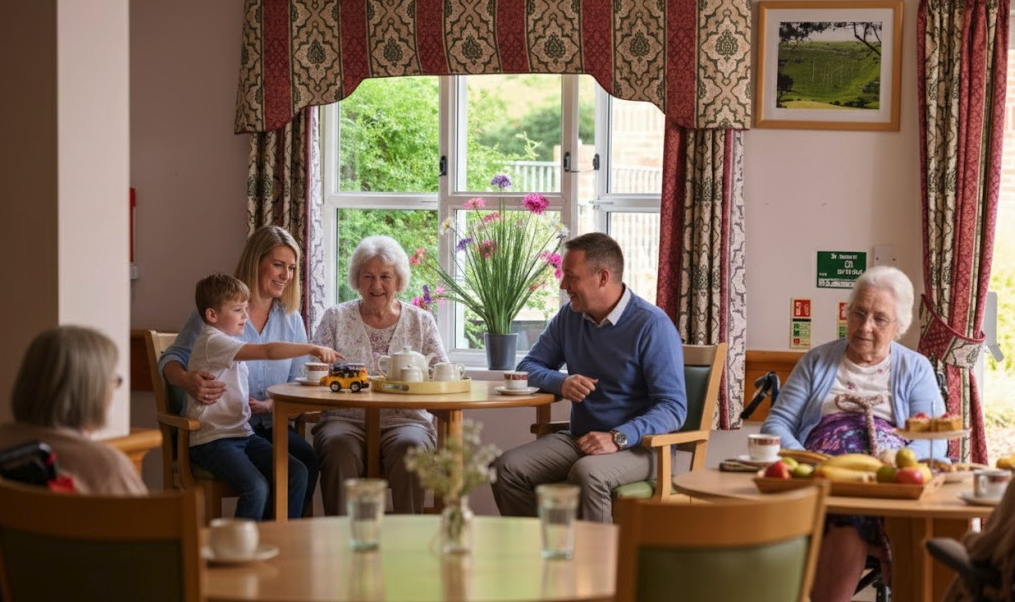
Looking after an ageing parent is something many adults face as they move into the later stages of life. While the experience can be incredibly meaningful, it can also be emotionally overwhelming, especially if you’re carrying the responsibility alone.
Whether you’re already helping your parent day-to-day or starting to notice signs of decline, knowing when to step in isn’t always clear. This guide will walk you through the key warning signs to look out for when deciding whether a parent can continue living independently and how Derwent Lodge Care Home in Billingshurst can support your next steps.
Recognising Early Memory Loss or Signs of Dementia
A little forgetfulness is a normal part of ageing, but when memory issues begin to impact safety, daily function, or emotional wellbeing, they shouldn’t be ignored.
Some common signs include:
Routine Memory Lapses
Forgetting appointments, medication, or skipping personal hygiene routines like brushing teeth or changing clothes may suggest cognitive decline.
Confusion or Disorientation
If your parent seems unsure about where they are, struggles with the time of day, or gets confused about basic routines, these are strong signals that support may be needed.
Repetitive Questions or Stories
While we all repeat ourselves occasionally, persistent repetition, especially of old memories or questions, could be a sign of short-term memory loss or early-stage dementia.
Poor Judgement
Have they fallen for a scam? Purchased something unusual? Forgotten to eat or ignored a serious health concern? These lapses in judgement often come alongside early cognitive changes.
If you’re spotting more than one of these signs, it may be time to consider a professional assessment or explore care options.
Is Their Physical Health Making Independent Living Dangerous?
Slowing down is a normal part of ageing, but when everyday movement or health management becomes unsafe or unmanageable, living alone may no longer be the best option.
Look for the following red flags:
Frequent Falls or Balance Issues
One fall can lead to serious injuries that take months to heal, or worse. If your parent is becoming unsteady, a safer living environment may be essential.
Chronic Conditions Not Being Managed
From diabetes and high blood pressure to arthritis and heart disease, many older adults live with long-term health conditions. When these stop being well-managed, whether through forgetfulness, confusion, or physical limitation, it becomes dangerous.
Trouble With Daily Living
If your parent is struggling with tasks like bathing, dressing, using the bathroom, or preparing meals, it may no longer be safe for them to live alone. These are basic needs, and when they go unmet, quality of life drops dramatically.
Changes in Their Living Environment
Sometimes the clearest signs are right in front of us, at home.
When someone who once kept a clean, tidy house begins to live in mess or disarray, it’s often a clue that they’re not coping as well as they used to.
Keep an eye out for:
- Spoiled food in the fridge or cupboards.
- Buildup of unopened mail or unpaid bills.
- Unused rooms or blocked pathways.
- Dirty dishes, mould, rubbish piles, or unclean bathrooms.
- Burnt pans or signs of appliances being misused.
- Unsafe plug sockets or signs of things being left on.
The home should be a safe and comfortable space. If it’s becoming a source of risk, it might be time for a change.
Are They Struggling With Finances?
As cognitive or physical changes take hold, financial independence can also become difficult to maintain. Sadly, older adults, especially those over 65, are particularly vulnerable to fraud, scams, and financial abuse.
Watch for signs like:
- Missed rent, mortgage or utility payments.
- Confusion about bank accounts or transactions.
- Sudden or unexplained withdrawals.
- Giving out their bank details or card to others.
- Unawareness of how much money they have.
- Anxiety or secrecy around finances.
If your parent is losing track of their financial situation, it’s time to have a conversation, and possibly bring in some additional support.
When Family Support Just Isn’t Enough
Being the primary caregiver for a parent can be an act of love, but it can also become an all-consuming role. When you’re juggling your own responsibilities alongside theirs, burnout is not just likely, it’s inevitable.
You might feel:
- Guilty for even considering outside help.
- Overwhelmed with the weight of their care needs.
- Isolated or unsupported.
- Worried that no one else will care for them the way you do.
We want you to know, it’s okay to say, “This is too much.” Accepting help doesn’t mean you’re giving up on your parent, it means you’re making sure they get the consistent, professional care they deserve, and giving yourself the space to be their child again, not just their carer.
Supporting the Transition to Full-Time Care
The idea of moving a parent into residential care can be emotional for both of you. After all, it often marks a shift in independence and identity. But with the right approach, this transition can be positive, dignified, and filled with new opportunities for comfort and connection.
When discussing this step with your parent, consider:
- Involving them in the decision wherever possible.
- Highlighting the benefits: companionship, safety, easier daily life.
- Visiting homes together to find the right fit.
- Taking it slow, with short stays or respite care to help them adjust.
Why Families Choose Derwent Lodge Care Home in Billingshurst
At Derwent Lodge Care Home, we know how much trust it takes to hand over the care of a loved one. That’s why we offer a warm, professional, and family-centred environment designed to feel like home.
We provide:
- 24/7 tailored care, whether it’s residential, dementia, palliative, nursing, respite or convalescent care, our team is trained to meet your loved one’s needs around the clock.
- Safe, welcoming spaces, purpose-built for comfort and safety with calming interiors and secure outdoor areas.
- Delicious, home-style meals prepared fresh each day, tailored to dietary needs and preferences.
- Engaging activities, from music and gardening to games and social events, we support emotional wellbeing and connection.
- Kind, attentive staff who treat every resident with the dignity, compassion and respect they deserve.
Our care home has earned a strong reputation in West Sussex for doing things the right way, because we believe every individual deserves to age with dignity and joy.
Ready to Take the Next Step?
If you’re seeing signs that your parent is no longer safe living alone, you don’t have to face the next step alone. At Derwent Lodge Care Home, we’re here to guide you through the transition with kindness, clarity and understanding.
Come see our home in person, meet our team, and explore whether we’re the right fit for your family. Our friendly staff are here to answer questions, talk through care options, and provide reassurance whenever you need it. Whether you’re just starting to explore care or you’re ready to make a decision, we’re here to support you, every step of the way.